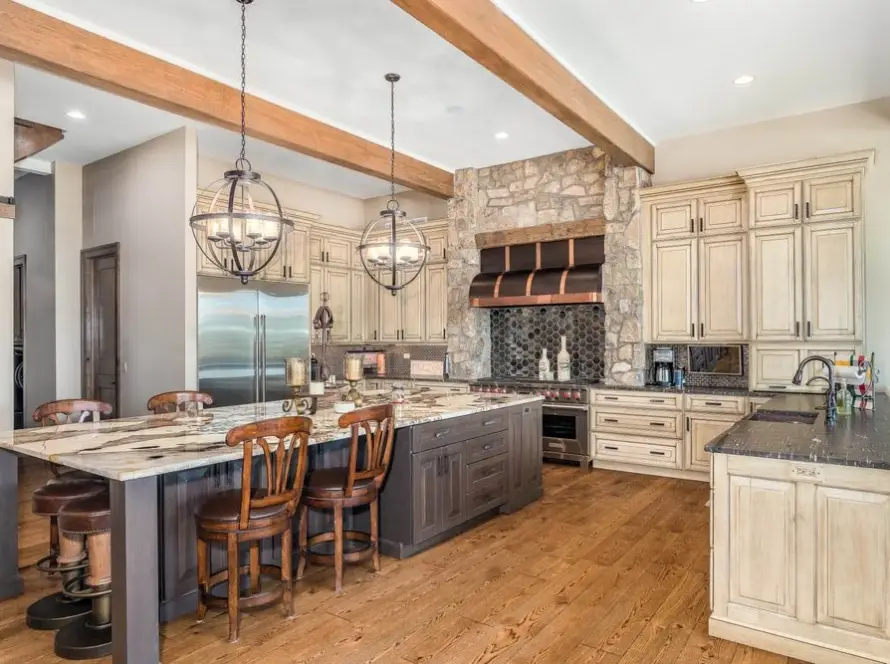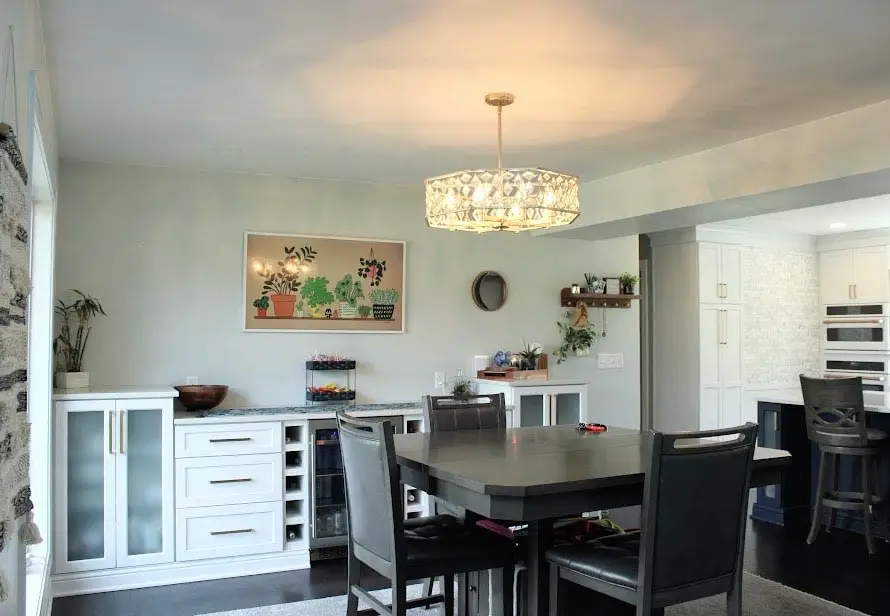

Modern kitchen design has shifted toward spaces that are functional, clean, and adaptable to everyday life. Today’s homeowners want kitchens that support cooking, socializing, and storage without feeling crowded. As a result, many modern kitchens focus on minimal layouts, durable materials, smart appliances, and practical storage solutions.
Instead of following a single style, current kitchen interior design trends combine aesthetics with usability. Designers now prioritize open layouts, integrated appliances, natural textures, and lighting that enhances the entire space.
Quick Decision Summary
- Modern kitchens prioritize function, storage, and simplicity over decorative complexity
- Clean lines, neutral palettes, and natural materials dominate current kitchen designs
- Smart appliances and hidden storage are becoming standard features
- Multi-purpose islands are now central to most kitchen interior design layouts
- Lighting and layout planning play a major role in how modern kitchens feel and function
Why Modern Kitchens Focus on Function First
The biggest shift in kitchen interior design is the focus on how people actually use the space. Kitchens are no longer isolated rooms. They are now central gathering areas where families cook, work, and socialize.
Because of this, modern layouts emphasize movement and accessibility. Designers plan the placement of appliances, counters, and storage carefully so that the kitchen flows naturally.
Common layout improvements include:
- Wider walkways between counters
- Strategic appliance placement
- Clear zones for cooking, prep, and cleaning
- Open connections to dining and living areas
This approach makes modern kitchens easier to use every day. Instead of feeling crowded or overly decorative, the design supports the way people move and work inside the space.
Clean Lines and Minimalist Visual Design
Another defining trend in kitchen designs is visual simplicity. Many homeowners are moving away from heavy ornamentation and choosing cleaner, more streamlined styles.
Typical characteristics of minimalist modern kitchens include:
- Flat panel cabinet doors
- Handleless or recessed cabinet hardware
- Neutral color palettes
- Continuous countertops and backsplashes
- Hidden appliances
The goal is not to make the kitchen feel empty. Instead, designers create a calm and organized appearance that highlights materials, lighting, and layout.
Neutral tones such as white, warm gray, soft beige, and natural wood are often used to achieve this balance.
Smart Storage That Maximizes Space
Storage innovation is one of the most practical developments in modern kitchen interior design. Instead of adding more cabinets, designers now focus on making storage smarter and more accessible.
Examples of modern storage solutions include:
- Deep pull-out pantry drawers
- Vertical tray organizers
- Hidden trash and recycling cabinets
- Corner cabinet carousel systems
- Appliance garages
These features allow homeowners to store more items while keeping counters uncluttered.
Popular Smart Storage Features in Modern Kitchens
| Storage Feature | Purpose | Benefit |
| Pull-Out Pantry | Tall sliding shelves for food storage | Easier access and better organization |
| Drawer Dividers | Organized compartments for utensils | Prevents clutter |
| Corner Carousel | Rotating shelves in corner cabinets | Maximizes difficult spaces |
| Appliance Garage | Concealed storage for small appliances | Keeps counters clean |
| Deep Base Drawers | Large storage for pots and pans | Easier to reach than lower cabinets |
These innovations make kitchen designs more efficient without increasing the size of the space.
Kitchen Islands Are Now the Center of the Room
One of the most recognizable elements of modern kitchens is the multi-functional island. In many homes, the island acts as the main hub of the kitchen.
Modern kitchen islands often serve multiple purposes such as:
- Food preparation
- Casual dining
- Extra storage
- Seating area
- Workspace or homework station
Designers often add features like built-in sinks, induction cook tops, or under-counter refrigerators to increase functionality.
Because of this versatility, the island has become one of the most important components of contemporary kitchen interior design.
Natural Materials and Texture
While minimalism dominates the layout of many kitchen designs, materials have become warmer and more textured.
Natural finishes help modern kitchens feel welcoming rather than sterile.
Popular material choices include:
- Quartz or granite countertops
- Wood cabinetry or wood accents
- Stone backsplashes
- Matte metal fixtures
- Textured tile
Many designers combine materials to create visual depth. For example, a kitchen may include smooth quartz counters paired with warm oak cabinets and matte black hardware.
This blend of materials helps modern kitchens balance simplicity with character.
Integrated Technology and Smart Appliances
Technology is also shaping the future of kitchen interior design. Many modern kitchens now include smart appliances that improve convenience and efficiency.
Examples include:
- Smart refrigerators with internal cameras
- Voice-controlled lighting systems
- Touchless faucets
- Wi-Fi enabled ovens
- Energy-efficient induction cook tops
These technologies allow homeowners to monitor cooking, adjust settings remotely, and reduce energy consumption.
As smart home technology continues to grow, these features are becoming more common in new kitchen designs.
Lighting as a Design Feature
Lighting plays a major role in modern kitchen interior design. Instead of relying on a single overhead fixture, designers now layer different types of lighting to improve both function and atmosphere.
Common lighting strategies include:
- Pendant lighting above the island
- Under-cabinet lighting for task areas
- Recessed ceiling lighting for general illumination
- Accent lighting inside glass cabinets
Layered lighting makes kitchens easier to work in while also creating a more welcoming environment.
Well-planned lighting can completely change how modern kitchens feel throughout the day.
Open Layouts Continue to Influence Kitchen Designs
Open floor plans remain one of the most influential trends shaping kitchen designs today. Many homeowners prefer kitchens that connect seamlessly to living or dining spaces.
Benefits of open layouts include:
- Better natural light
- Easier interaction between rooms
- Improved space perception
- Greater flexibility for entertaining
Designers often use islands, flooring transitions, or lighting differences to subtly define areas within the open space.
This approach allows modern kitchens to remain connected while still maintaining clear functional zones.
The Role of Professional Design and Construction
Designing a modern kitchen involves more than choosing cabinets and countertops. Layout planning, structural adjustments, electrical placement, and material selection all affect the final result.
Working with experienced builders can help homeowners turn design ideas into functional spaces that last for years.
Companies like Elegant Builders work closely with clients to develop kitchen spaces that balance design trends with practical construction. Their approach focuses on creating kitchens that feel modern while still supporting the needs of everyday living.
Frequently Asked Questions
What is the difference between modern and contemporary kitchen designs?
Modern kitchen design refers to a specific style characterized by clean lines and minimal ornamentation. Contemporary kitchens reflect current trends and may include a mix of styles that evolve over time.
Are modern kitchens always minimalist?
Not necessarily. While many modern kitchens use minimalist design principles, they can still include warm materials, textured surfaces, and decorative lighting to create visual interest.
What countertop materials work best in modern kitchens?
Quartz is one of the most popular choices because it is durable, low maintenance, and available in many finishes. Granite and porcelain slabs are also commonly used in modern kitchen designs.
Do modern kitchens work in smaller homes?
Yes. In fact, many kitchen interior design trends focus on maximizing efficiency in smaller spaces through smart storage, compact appliances, and better layouts.
How long does a kitchen renovation typically take?
The timeline depends on the scope of the project. A standard renovation may take several weeks, while larger remodeling projects involving structural changes can take several months.