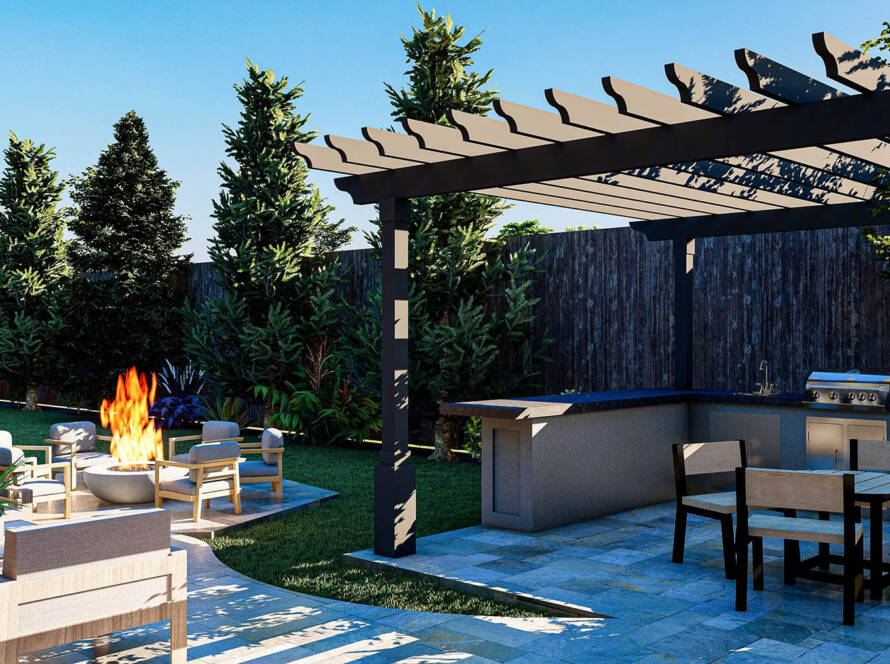

Planning an outdoor kitchen comes down to three things: how you cook, how you host, and how your space works. If you get the layout, utilities, and materials right from the start, you end up with a space that feels natural to use and holds up over time. It also helps prevent costly changes later, especially when it comes to plumbing, gas lines, and electrical work.
A well-planned setup ensures that everything is within reach, so you are not constantly moving back and forth between zones. Most importantly, it turns ordinary outdoor spaces into something functional, not just visually appealing.
Quick Decision Summary
- Start with how you actually cook and entertain, not just kitchen design trends
- Choose a layout that supports movement and efficiency
- Plan utilities early to avoid expensive adjustments later
- Invest in durable materials built for outdoor conditions
- Think of your kitchen as part of a bigger outdoor living experience
Start With How You Will Use the Space
Before choosing appliances or finishes, focus on how the space will function. This step is often skipped, but it makes the biggest difference in the long run.
Ask yourself:
- Do you cook full meals outside or mostly grill?
- Will you host large gatherings or casual dinners?
- Do you need more prep space or seating?
- Is this part of a larger outdoor makeover project?
Your answers will shape everything from layout to budget. Many homeowners jump straight into design inspiration from outdoor living spaces ideas online, but those only work if they match your lifestyle.
A practical approach is to walk through a typical gathering. Think about where you prep, cook, serve, and clean. The smoother that flow feels, the better your kitchen will function.
Choose the Right Layout for Your Outdoor Space
The layout should match both your available space and how you move while cooking. Even small outdoor spaces can feel efficient if designed properly.
Common Layout Options
- Straight Line Layout: Best for compact areas. Keeps everything simple and close together.
- L-Shaped Layout: Adds more prep space and creates separation between cooking and serving.
- U-Shaped Layout: Great for serious cooking. Everything is within reach, which improves efficiency.
- Island Layout: Perfect for entertaining. Lets you cook while facing guests, making the space more social.
When reviewing outdoor living spaces ideas, pay attention to how people move within the layout. A good design reduces unnecessary steps and keeps everything accessible.
Plan Utilities Before Anything Else
Utilities are the backbone of any outdoor kitchen. Without proper planning, even the best-looking setup can become inconvenient or expensive to fix.
Key elements to plan early:
- Gas lines for grills or cooktops
- Electrical outlets for lighting and appliances
- Water supply for sinks and prep areas
- Drainage systems for proper cleanup
Trying to add these later can disrupt your entire outdoor makeover and increase costs significantly.
Choose Materials That Can Handle the Outdoors
Outdoor kitchens face constant exposure to weather, so materials must be durable and low-maintenance.
Here is a quick comparison to guide your choices:
| Component | Best Material Options | Why It Works | Avoid These |
| Countertops | Granite, concrete | Heat and weather resistant | Laminate, indoor quartz |
| Cabinets | Stainless steel, polymer | Rust-resistant and durable | Standard wood |
| Flooring | Stone, concrete pavers | Slip-resistant and long-lasting | Indoor tiles |
| Appliances | Outdoor-rated stainless steel | Built for exposure | Indoor appliances |
| Covering | Aluminum, treated wood | Protects from weather | Untreated materials |
The right materials ensure your outdoor spaces stay functional and attractive over time.
Create Functional Zones for Better Flow
A well-designed outdoor kitchen is organized into zones, just like an indoor kitchen.
Cooking Zone
This includes your grill and heat-based appliances. Keep it slightly separated for safety.
Prep Zone
Counter space near the cooking area for food preparation.
Serving Zone
A space for plating or buffet-style serving, often doubling as a social area.
Cleaning Zone
If you include a sink, place it near prep and serving areas for convenience.
Dividing your space this way makes even smaller outdoor spaces feel more organized and easier to use.
Make Comfort Part of the Design
Outdoor kitchens should be comfortable enough to use regularly, not just occasionally.
Consider adding:
- Shade structures like pergolas or covered patios
- Proper lighting for evening use
- Fans or heaters depending on climate
- Wind protection if your space is exposed
These features are often included in the best outdoor living spaces ideas because they extend usability beyond perfect weather days.
Budget With Purpose
Outdoor kitchens can vary widely in cost, depending on complexity and materials.
Your budget should include:
- Construction and labor
- Appliances and fixtures
- Utility installation
- Finishing materials
- Maintenance over time
If this is part of a larger outdoor makeover, prioritize foundational elements first. You can always upgrade appliances or add features later.
Common Mistakes to Avoid
Even a well-designed space can fall short if key details are overlooked.
Watch for:
- Limited counter space for prep and serving
- Poor lighting that restricts nighttime use
- Lack of storage for tools and supplies
- Placing the kitchen too far from the house
- Ignoring weather protection
Avoiding these mistakes helps ensure your outdoor spaces remain practical, not just decorative.
Bringing It All Together
Planning an outdoor kitchen is about more than adding appliances outside. It is about creating a space that fits your lifestyle and enhances how you use your home.
When done right, it can completely transform your outdoor spaces into functional areas for cooking, relaxing, and entertaining. Many homeowners see it as part of a broader outdoor makeover that brings together design, comfort, and usability.
Working with experienced builders can make this process smoother. Companies like Elegant Builders focus on both design and function, helping homeowners create outdoor kitchens that feel cohesive with the rest of their property without overcomplicating the process.
Frequently Asked Questions
How long does it take to build an outdoor kitchen?
Most projects take a few weeks to a couple of months, depending on complexity and weather conditions.
Can I design an outdoor kitchen for a small space?
Yes. Many outdoor spaces can accommodate compact layouts that still include essential features.
What is the most important feature to prioritize?
Functionality. A well-planned layout will always matter more than high-end finishes.
Does an outdoor kitchen increase home value?
In many cases, yes. It can make your property more appealing, especially for buyers who value outdoor living.
Can I upgrade my outdoor kitchen later?
Absolutely. Many homeowners start with a basic setup and expand over time as their needs change.