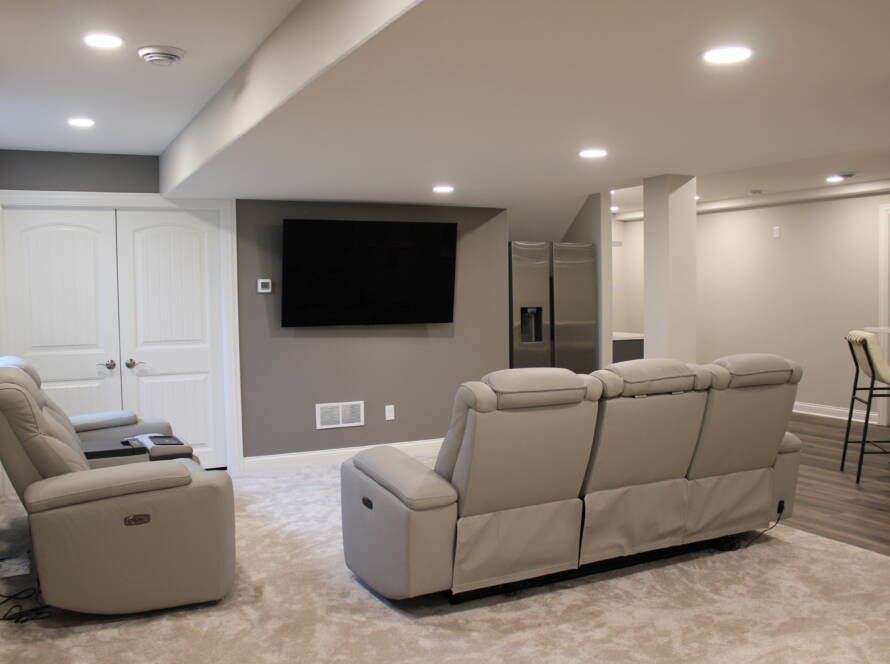

Expanding your home isn’t just about adding square footage, it’s about creating more of what you love. Whether you’re dreaming of a sun-soaked family room, a spacious kitchen extension, or a new guest suite, home additions are a smart way to enhance both your lifestyle and property value. Professional new home construction planning helps ensure every addition blends seamlessly with your existing space and long-term goals. But before the first hammer swings, a solid plan is essential.
If you’ve been asking, “How do I start a home addition project?“, this comprehensive guide is for you.
Why Consider a Home Addition?
Many homeowners reach a point where their current space no longer fits their needs—but moving isn’t always the best solution. That’s where residential home additions come in, offering you the chance to customize your existing space rather than starting over somewhere new.
Here’s why you might want to expand:
- Your family is growing (hello baby or in-laws moving in)
- You work from home and a dedicated home office is a must for focus
- You want to add significant value before selling
- You wish to have more space for entertaining and relaxing whether alone or with family and friends
- Your hobbies require specialized rooms like craft studios or workshops
The great news? Well-designed residential home additions can significantly increase your home’s function, comfort, and resale potential while allowing you to stay in the neighborhood you love.
How to Start a Home Addition Project: Step-by-Step Guide
Step 1: Know What You Want
Before you hire a home addition contractor or sketch out blueprints, get crystal clear on your goals. If you know what you want, it’s easier to determine the next steps that will follow.
Ask yourself these critical questions:
- What type of space am I adding? (Bedroom, bathroom, sunroom, kitchen extension, home theater, etc.)
- How will this addition improve your daily life and solve current problems?
- Will it match and complement the existing structure in terms of both look and function?
- What’s your timeline for completion?
- How will you use the space in five or ten years?
Take time to research design inspiration on platforms like Pinterest or Houzz, and even walk through your home to imagine how new rooms would connect. Consider both the interior flow and exterior design, especially if you’re planning a home exterior renovation in the process. Think about traffic patterns, natural light, and how the addition will affect your existing rooms.
Step 2: Set a Realistic Budget
A successful project starts with an honest look at your finances. The cost of a home addition varies widely based on size, location, materials, and complexity.
Things you’ll need to budget for include:
- Architectural design and engineering plans
- City permits and inspections
- Foundation work and structural modifications
- Materials (flooring, framing, roofing, insulation, etc.)
- Labor costs for skilled tradespeople
- HVAC, electrical, and plumbing extensions (if needed)
- Interior finishes like paint, fixtures, and trim
- Contingency fund (10–20% for unexpected issues that always arise)
Pro tip: A reputable contractor will walk you through transparent pricing, help value-engineer your plans, and make sure you stay within budget without cutting corners that could compromise quality or safety.
Step 3: Understand Local Zoning and Permit Requirements
Every city and state has specific zoning regulations that impact what and where you can build. If you or your contractor ignore these requirements, your dream home addition project can easily turn into a legal nightmare!
You’ll want to research and understand:
- Property line setbacks and easement restrictions
- Maximum building height or lot coverage percentages
- HOA requirements and architectural review processes (if applicable)
- Permit application timelines and inspection schedules
- Environmental regulations or historic district restrictions
Skipping this step—or trusting a contractor who overlooks it—can delay your project by months or worse, require you to tear down completed work. Always work with a licensed home additions contractor who understands and follows local building codes in your area.
Step 4: Find the Right Builder
Choosing the right partner for your home addition is one of the most important decisions you’ll make. This relationship will determine the success, timeline, and stress level of your entire project.
Look for a builder who:
- Has proven experience in residential home additions, especially those you want done
- Can share a detailed timeline, references, and portfolio of completed work
- Offers 3D renderings or clear architectural plans you can understand
- Communicates regularly, clearly, and responds promptly to your questions
- Is properly licensed to operate in your state, and is bonded and insured for your peace of mind
- Provides detailed written contracts and change order procedures
- Has positive online reviews and Better Business Bureau ratings
Don’t just go with the lowest bid—focus on value, reputation, and your comfort level with the team who’ll be working on your home for weeks or months.
Step 5: Consider Design Cohesion
Your new space should feel like it’s always been there, not like an obvious afterthought. That’s where thoughtful design planning becomes crucial for long-term satisfaction.
Tips for achieving cohesive design:
- Match exterior materials like siding, windows, roofing, and trim details
- Blend interior finishes like flooring transitions and paint color schemes
- Align ceiling heights and architectural details with existing spaces
- Consider how the addition will impact natural light in adjacent rooms
- Plan electrical switches, outlets, and other installations and fixtures to match existing ones
Also, don’t forget about the home exterior renovation opportunities that come with an addition. Updated siding, new entryways, landscaping changes, or even a small porch extension can elevate your entire home’s curb appeal and make everything feel seamlessly integrated.
Step 6: Prepare for Life During Construction
Even the smoothest build will come with dust, noise, and daily disruption to your routine. Planning ahead will help you maintain your sanity and family harmony.
You may need to:
- Relocate furniture or set up temporary kitchen/living spaces
- Stay off-site temporarily during major structural work
- Notify neighbors in advance about construction schedules
- Plan for alternative parking space if your driveway will be used by the contractor
- Plan for utility interruptions during system connections
Clear communication and a detailed project timeline from your builder will help minimize surprises and allow you to plan your life around the construction schedule.
Step 7: Enjoy—and Increase Home Value
Once your addition is complete, it’s time to enjoy your transformed space! Whether it’s extra room for guests, a sunny home office, or a more spacious kitchen for family gatherings, the goal is to enhance your quality of life significantly.
And here’s the bonus: popular additions like primary suite extensions and bathroom additions can recoup 30% to 60% of the cost in resale value—sometimes more in hot real estate markets.
Your home addition represents more than just extra space—it’s an investment in your family’s comfort, lifestyle, and future financial security. With proper planning and the right team, you’ll create a space that serves your needs for years to come.
Start Building Your Dream Home Additions With Elegant Builders
Let’s build it right, right from the start. At Elegant Builders, we’ve helped Wisconsin homeowners bring their visions to life through expertly planned, beautifully executed home additions. We understand that this isn’t just a project—it’s an investment in your lifestyle, comfort, and future.
Whether you’re dreaming big or just exploring ideas for home additions or home exterior renovation, we’re here to walk you through every step.
Ready to explore your options? Let’s talk about your goals, your timeline, and how we can build the right space—together.